Amir Hayes · 16 October 2026
Exploring Navigation Pathway Adaptations Linked to Shifting Visitor Retention Patterns Across Resource-Focused Online Communities
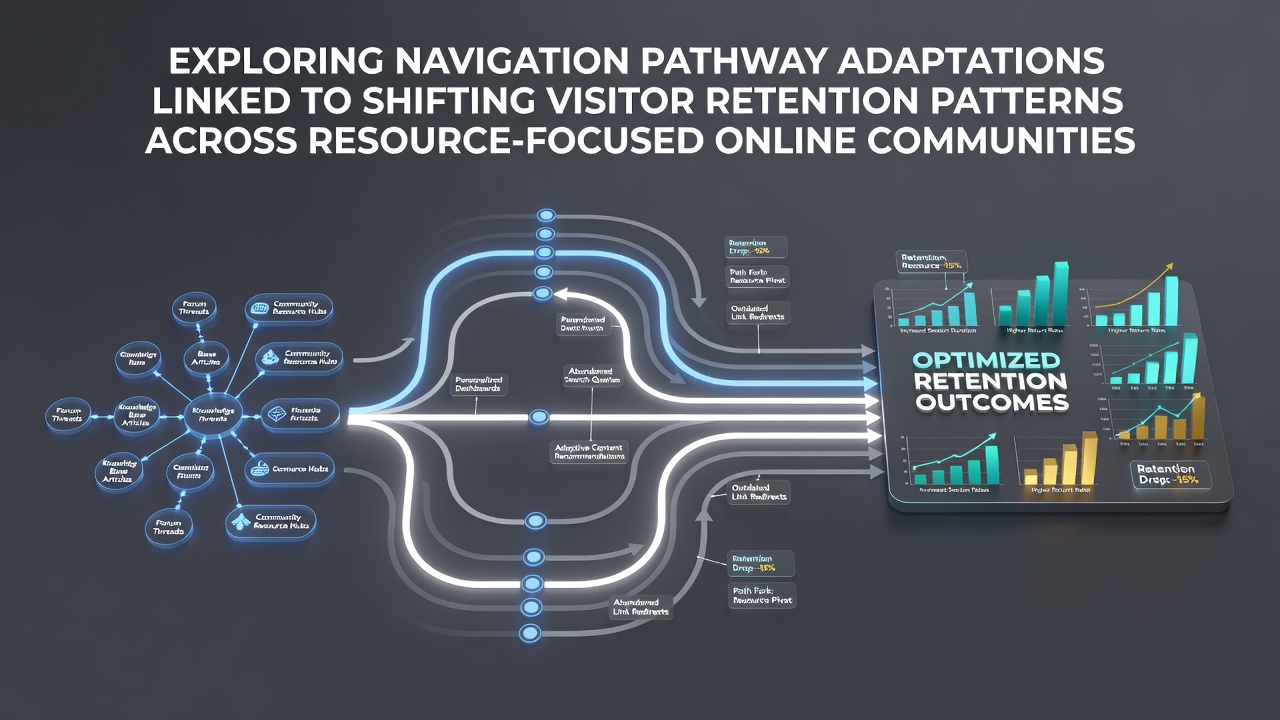
Resource-focused online communities maintain specialized hubs where users access documentation, datasets, and collaborative tools, and navigation pathways within these spaces have undergone measurable adaptations as retention patterns shift over time. Data from platform analytics platforms reveal that users in these environments often follow branching routes through content clusters rather than linear progressions, while retention rates fluctuate based on how easily individuals locate targeted resources without excessive clicks or dead ends.
Core Structures in Resource Hubs
Communities centered on shared resources typically organize content through hierarchical taxonomies combined with search functions and related-item suggestions, and observers note that these structures support both new visitors seeking quick entry points and returning members who navigate deeper archives. Studies conducted by university research teams in Canada indicate that retention improves when pathways incorporate predictive elements such as recently viewed item clusters or community-contributed tags, whereas rigid menu systems correlate with higher exit rates after initial sessions.
Patterns of Visitor Retention Over Recent Periods
Retention metrics across these platforms show seasonal and event-driven variations, with data collected through October 2026 highlighting increased session lengths during periods of major resource updates or community challenges. Figures from the Australian Bureau of Statistics on digital participation demonstrate that users who complete multi-step navigation tasks within resource sites tend to return more frequently than those who encounter friction early, and this trend holds across different geographic regions where broadband access supports prolonged browsing.
Adaptations to Navigation Systems
Platform operators have responded to retention data by implementing dynamic pathway adjustments, including collapsible side panels that surface based on user scroll depth and contextual breadcrumbs that update according to content consumption history. Research published through European Union digital innovation programs shows that such modifications reduce bounce rates by streamlining access to interconnected resource nodes, while A/B testing on multiple sites confirms that adaptive menus outperform static ones in sustaining longer visits. And yet the process requires careful calibration because over-personalization can obscure broader discovery options that attract diverse user groups.
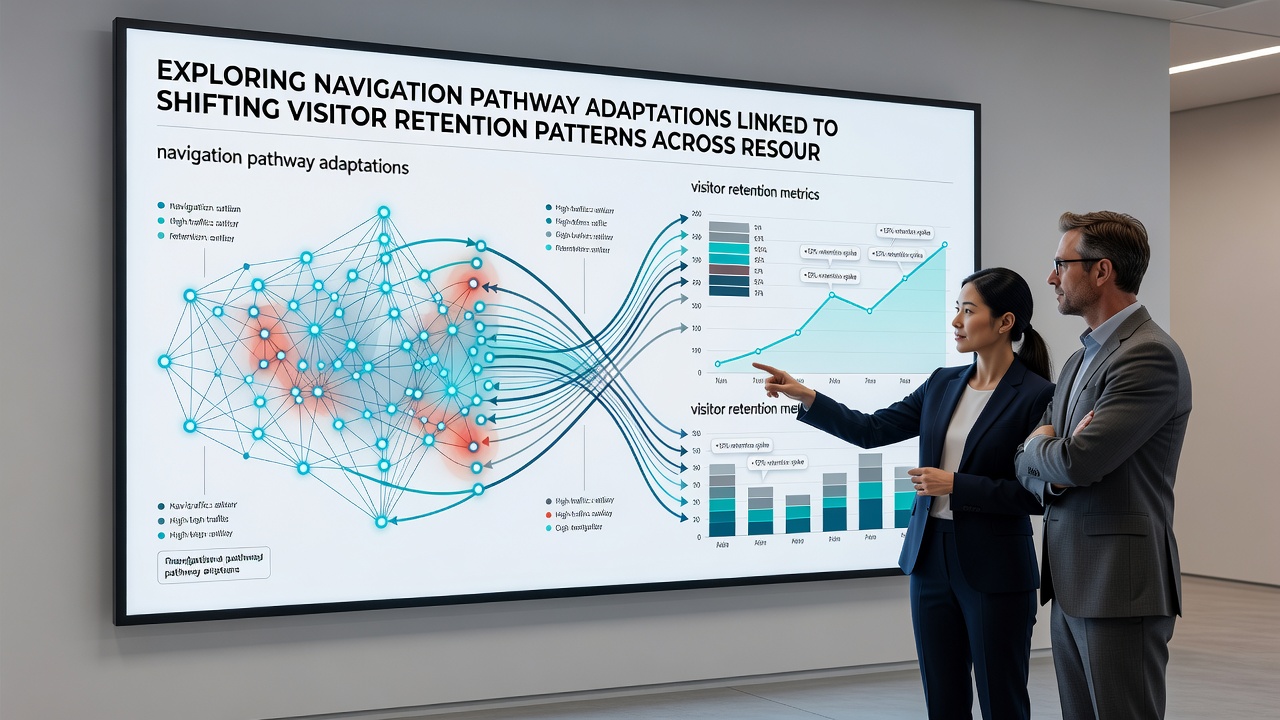
One notable example involves a large technical documentation community that introduced pathway heatmaps derived from aggregated clickstream data, allowing administrators to identify and reinforce underused but high-value resource links. Those who've examined the resulting logs report that retention among intermediate-level users rose after the changes, since the system began suggesting lateral moves to complementary materials instead of forcing vertical descent through category trees. Similar approaches appear in educational resource networks where contributors add contextual navigation prompts at the end of each guide, guiding visitors toward related datasets or discussion threads without requiring separate searches.
Measurement Approaches and Supporting Evidence
Analysts track these adaptations through session flow visualizations and cohort retention curves, and the evidence suggests that communities investing in pathway refinements see steadier month-over-month engagement when compared with those relying on legacy architectures. Reports from the Pew Research Center on online community behaviors further illustrate how mobile access patterns influence navigation design choices, prompting many resource sites to prioritize responsive layouts that maintain consistent information architecture across devices. What's interesting is the role of community feedback loops, where moderators incorporate user-submitted route suggestions into live updates, creating a cycle that aligns navigation logic more closely with actual retention drivers.
Conclusion
Navigation pathway adaptations continue to evolve in response to documented shifts in visitor retention across resource-focused online communities, and the patterns observed through platform data and regional studies underscore the value of flexible structures that accommodate varying user intents. As October 2026 data integrates with ongoing analyses, administrators gain clearer insights into which modifications sustain engagement without compromising the open, exploratory nature that defines these spaces.