Ellis Schmidt · 18 September 2026
Exploring How Server Response Time Fluctuations Affect User Session Durations in Content-Heavy Websites
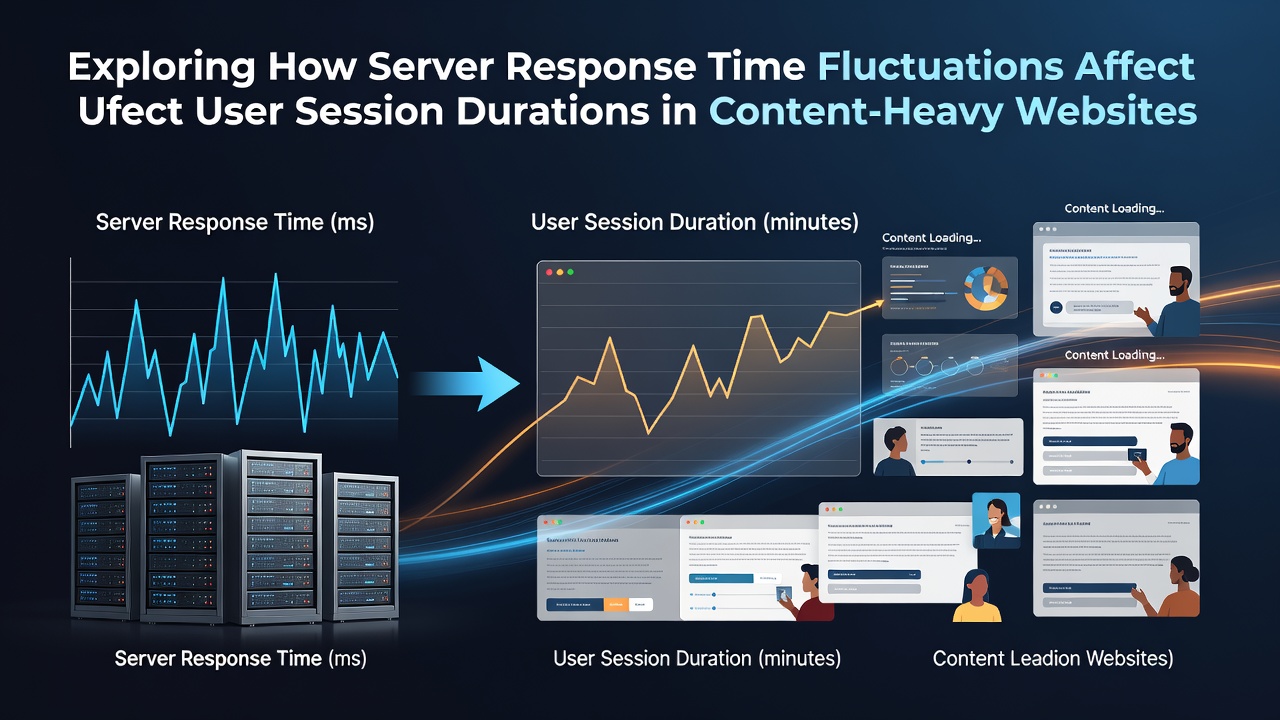
Server response time fluctuations occur when the interval between a user request and the initial data packet delivery varies due to factors such as traffic spikes, database queries, and content rendering demands on sites filled with articles, images, and multimedia elements, while content-heavy websites often experience these variations because large page loads require consistent backend processing to maintain engagement metrics like session duration.
Defining Server Response Time in Context
Server response time measures the duration from request receipt to the first byte sent back, and fluctuations arise when network latency combines with server-side delays during high-volume periods, yet content-heavy platforms amplify these effects because each additional media file or dynamic element extends the processing chain, and researchers track these patterns through tools that log millisecond-level changes across thousands of visits.
Common Causes Behind Response Time Variations
Database contention builds during simultaneous article loads while caching inconsistencies create uneven delivery speeds across user locations, and content delivery networks sometimes reroute traffic in ways that introduce brief spikes, although studies from monitoring platforms show that peak hours in September 2026 produced repeated delays exceeding two seconds on news aggregation sites with extensive archives. Observers note that hardware resource allocation plays a direct role when multiple concurrent sessions compete for CPU cycles, and software configurations around compression algorithms can either smooth or exacerbate the swings depending on file sizes involved.
Measuring Impacts on User Sessions
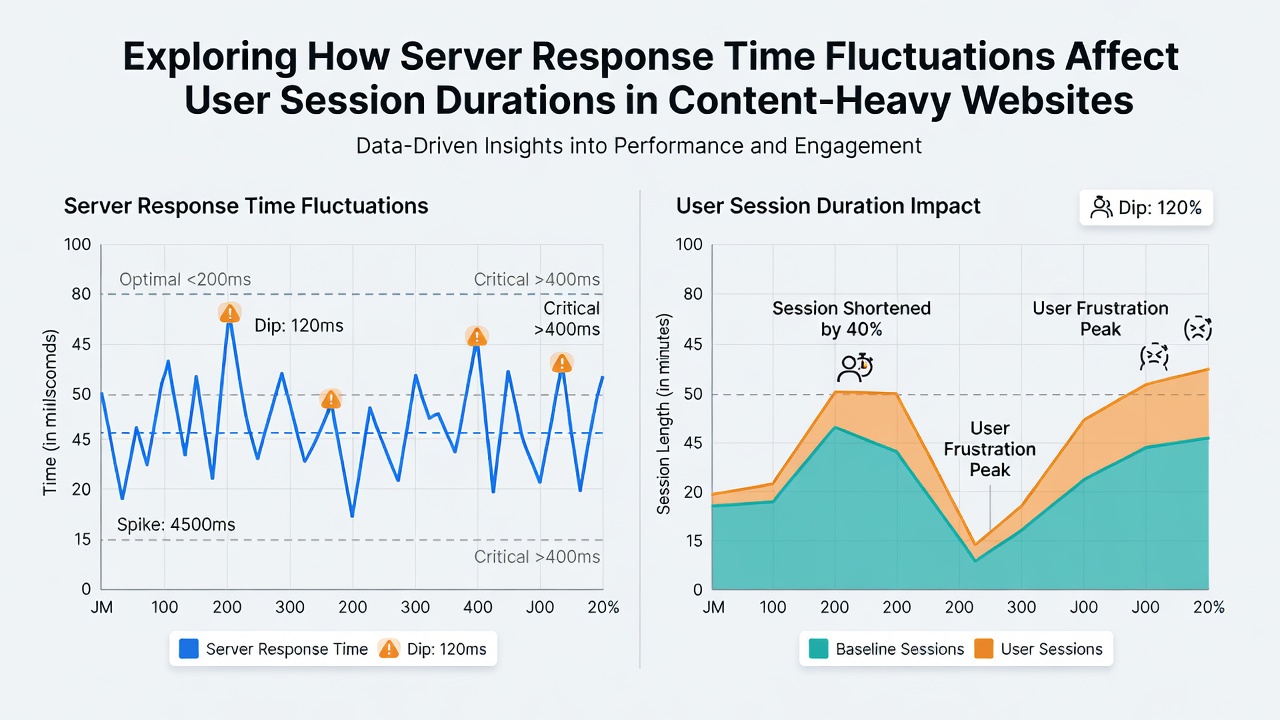
Data indicates that even modest increases in response variability correlate with shorter visit lengths because users encountering inconsistent load times tend to navigate away before reaching deeper content sections, while analytics from large-scale deployments reveal average session drops of thirty percent when fluctuations exceed one second repeatedly. People who manage editorial platforms often discover through heatmaps that exit points cluster around pages with heavier image sets during these unstable intervals, and figures reveal that mobile connections magnify the pattern since variable cellular networks interact with server delays to compound wait times.
Regional Studies and Performance Benchmarks
Reports from the Digital Transformation Agency in Australia highlight how government content portals with dense policy documents saw measurable session shortening tied to backend response instability, and similar patterns appear in European Union digital service evaluations where academic archives experienced comparable drops during traffic surges. Those who've examined log files across continents find that regions with higher baseline latency face steeper declines in engagement when server fluctuations hit, yet mitigation through load balancing produces steadier durations in follow-up measurements.
Technical Adjustments That Stabilize Durations
Implementing edge caching reduces round trips for repeated content blocks while asynchronous loading defers non-critical scripts until core text renders, and database indexing improvements cut query times that otherwise trigger the fluctuations users notice most acutely on long-form pages. Content-heavy sites that adopted progressive image delivery in recent monitoring cycles recorded steadier session metrics because initial text appears faster, allowing readers to begin consumption even as heavier assets continue arriving, and this approach proves effective across both desktop and mobile traffic patterns.
Conclusion
Server response time fluctuations directly influence how long visitors remain on content-heavy websites through their effect on perceived reliability and load consistency, and organizations tracking these metrics continue to refine infrastructure choices based on session data collected over extended periods. Patterns observed in September 2026 underscore the ongoing need for adaptive systems that respond to variable demand without compromising the depth of material users seek.